

Articles

Varroa Control When Using Synthetic Treatments
Learn how to get the most out of your synthetic varroa treatments (Bayvarol and Apitraz) with our informational treatment guide.
Read more
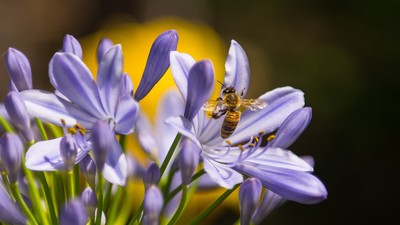
Nurturing with nature
Organic food is made without using chemical pesticides, herbicides, antibiotics or other artificial chemicals during production. Organic fruit growers don’t spray their trees or vines, using natural methods to control insects on their produce. Organic meat and dairy farmers don’t use antibiotics or artificial hormones to speed up animal growth. For many proponents, the organic concept extends into the overall management of the farm or orchard as well – they tend to take a slower, natural approach to crop or animal management, with a focus on caring for their charges rather than profit.
Read more
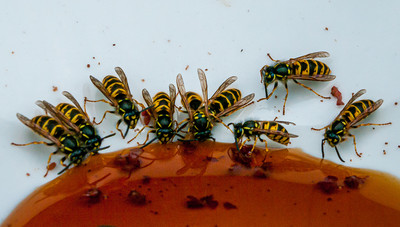
Your Guide To Wasps In Your Hives
Ecrotek covers everything you need to know about wasps in New Zealand – from identification to detection to protecting your hives.
Read more
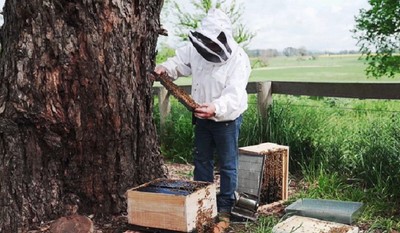
Beekeeping 101: How to do a Hive Inspection
What to look for when you open your hives
Read more

Ecrotek | Understanding Bee Parasite Nosemosis
Common, contagious bee parasite Nosemosis can contaminate hives. Ecrotek outlines symptoms and how you can prevent it harming yours.
Read more
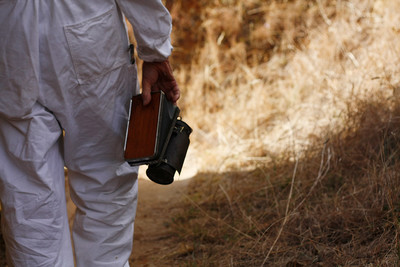
Establishing Your Beekeeping Club – Where to Start
Can’t find a local beekeeping club to join? Here’s Ecrotek’s guide on where to start setting up your own.
Read more
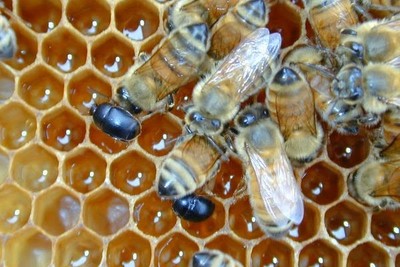
About Small Hive Beetle (SHB)
Although the small hive beetle (Aethina tumida) is only 5 mm long, it is one of the most feared bee parasites because with a heavy infestation, it can destroy an entire colony within a very short time.
Read more
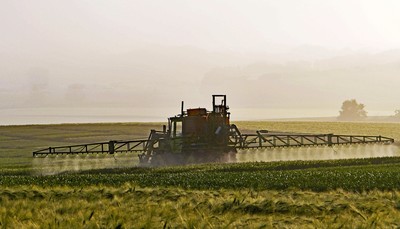
The hidden cost of pest control
Bees are more than cute, busy little honey-makers. If honeybees become rare or extinct, no longer having honey will be the least of our problems – more than a third of our food crops rely on bee pollination, so our diets would be significantly reduced.
In 2006 and 2007, record losses of bee colonies struck fear into the hearts of farmers and environmentalists. It was a low point for the worldwide bee population, and it triggered a closer look at the reasons for bee decline.
Although there are a number of reasons for dwindling bee populations, pesticide usage is a major factor. Many commercial pesticides have an impact on bee health, and some are particularly harmful. When individual bees die or lifespans are reduced, the colony can weaken and eventually fail.
In New Zealand, the Environmental Protection Agency sets strict rules around pesticide use to minimise harm to bees – and our bee population is relatively robust as a result. Protecting bees takes constant work from farmers, protection agencies, beekeepers, and even gardeners – but it’s worth the effort.
Read more
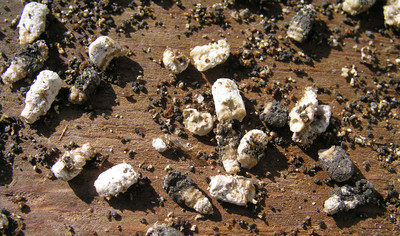
Chalkbrood in Honeybees and Leafcutter Bees
Find out about symptoms, prevention and treatment for chalkbrood fungal disease in honeybees and leafcutter bees – from Ecrotek.
Read more